Step Into the Wild Between Streets

Join us as we explore urban wildspace microadventures led by city naturalists across the UK, from dawn canal towpaths and cathedral rooftops to forgotten rail cuttings and generous city parks. Expect practical guidance, surprising species, gentle challenge, and genuine wonder, perfect for weeknights or early weekends without leaving town.

Finding Hidden Habitats On Your Doorstep

Reading the City’s Ecological Map

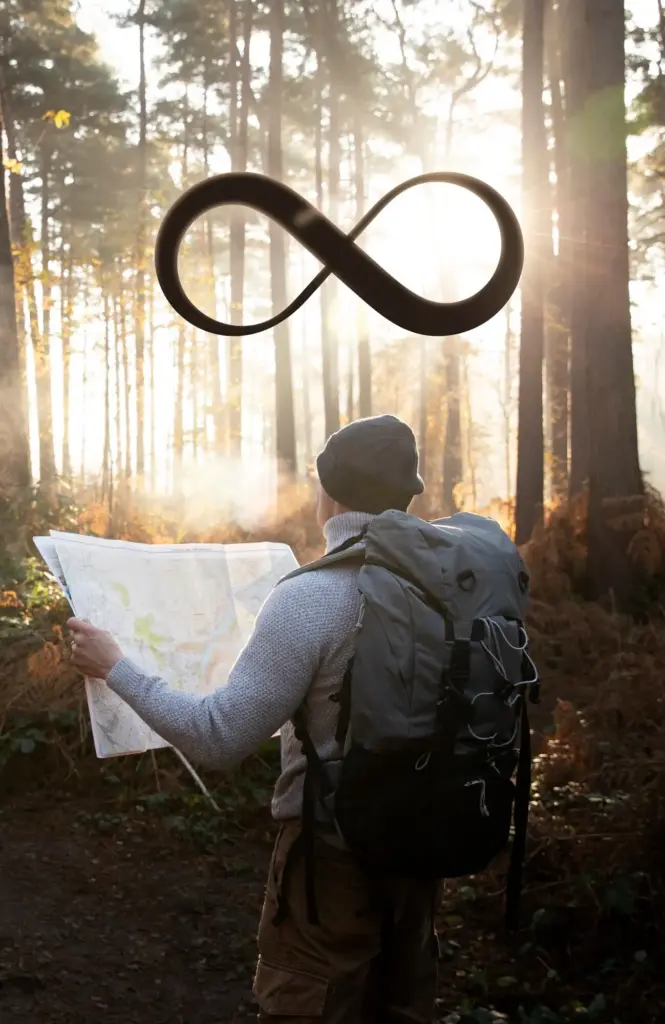
Instead of contour lines, you’ll read bus routes, bricks, and breeze corridors, following hedges that bridge estates to parks and canals that draw swifts and bats. A leader shows how wind, shade, and human patterns predict where life concentrates after sunset or rain.

Seasonal Windows of Wonder

In February, puddles hold starling baths beside crocus clumps; in May, lime trees hum at midnight; September paints railway sidings with migrant warblers and pink fungi. Your guide times tiny journeys so each lasts just long enough to feel special, safe, and unforgettable.

Packing Light, Moving Gently

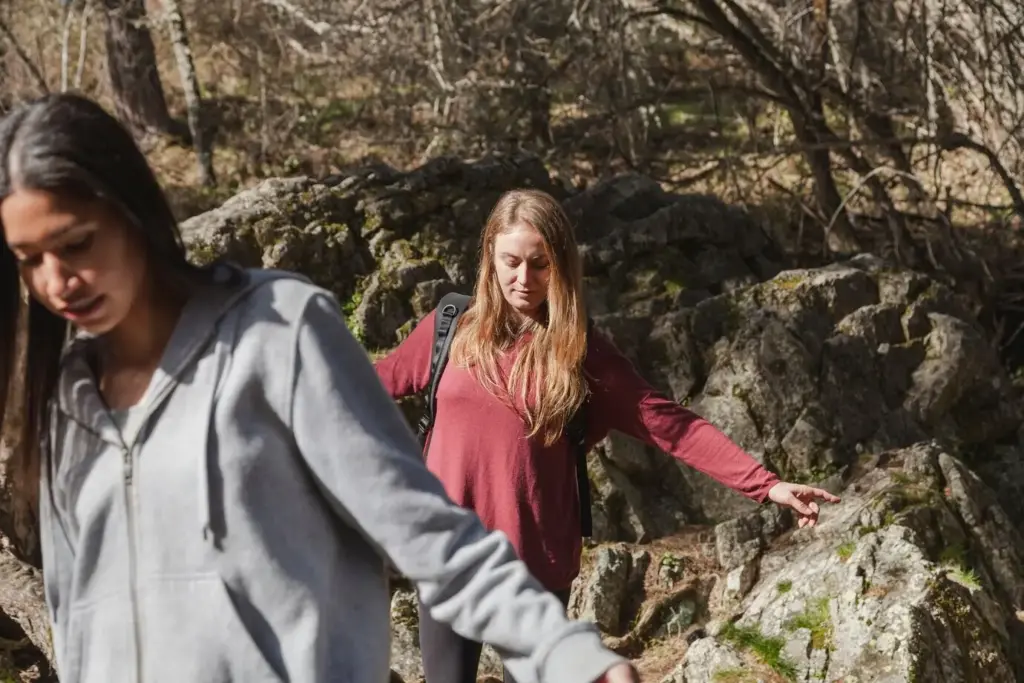
A small torch with red filter, notebook, charged phone, reusable bottle, and quiet shoes are usually enough. City naturalists teach slow steps, short pauses, low voices, and hand signals, turning tight pathways and shared spaces into welcoming stages where wildlife remains calm and neighbours feel respected.

Wild Encounters in Busy Places

From peregrine falcons on cathedral ledges to foxes trotting past late buses, cities host dramas worth witnessing with care. Along the Tyne, kingfishers flash beside commuters; in Cardiff, otters return to rivers. Skilled guides help you notice tracks, calls, droppings, and respectful viewing distances.

Stories From the Pavement Trail

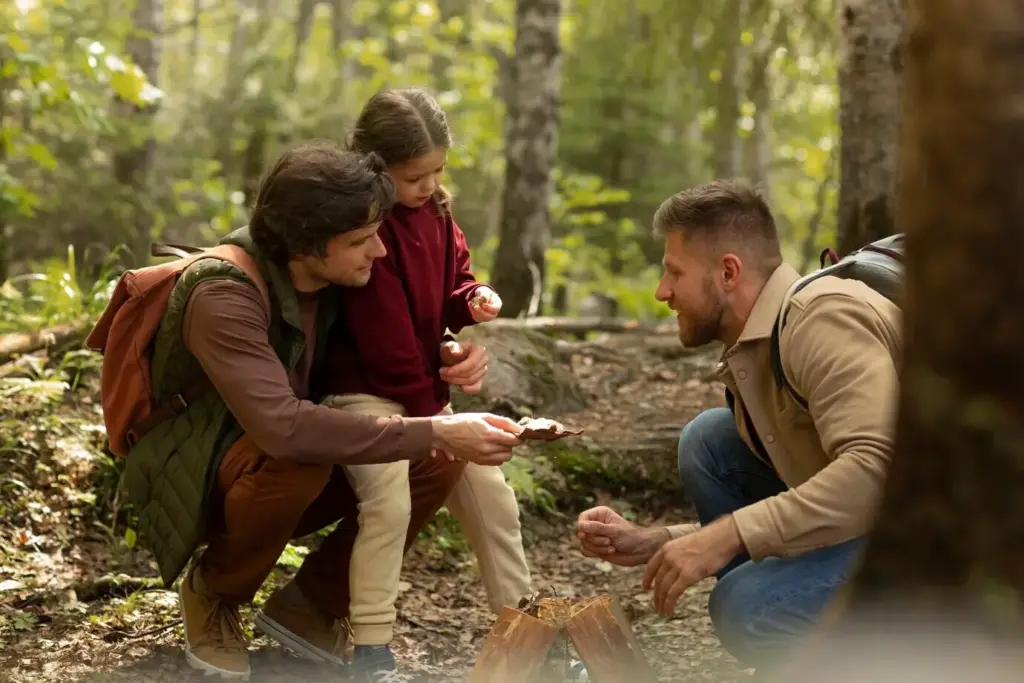
Microadventures shine through the people who lead and join them. A London lunchtime walk spotted a hummingbird hawk-moth on a railway wall; in Glasgow, a dawn chorus out-sang traffic; in Bristol’s Avon Gorge, goats revealed rare flowers. These glimpses anchor curiosity and kindness.

Citizen Science You Can Actually Do Tonight

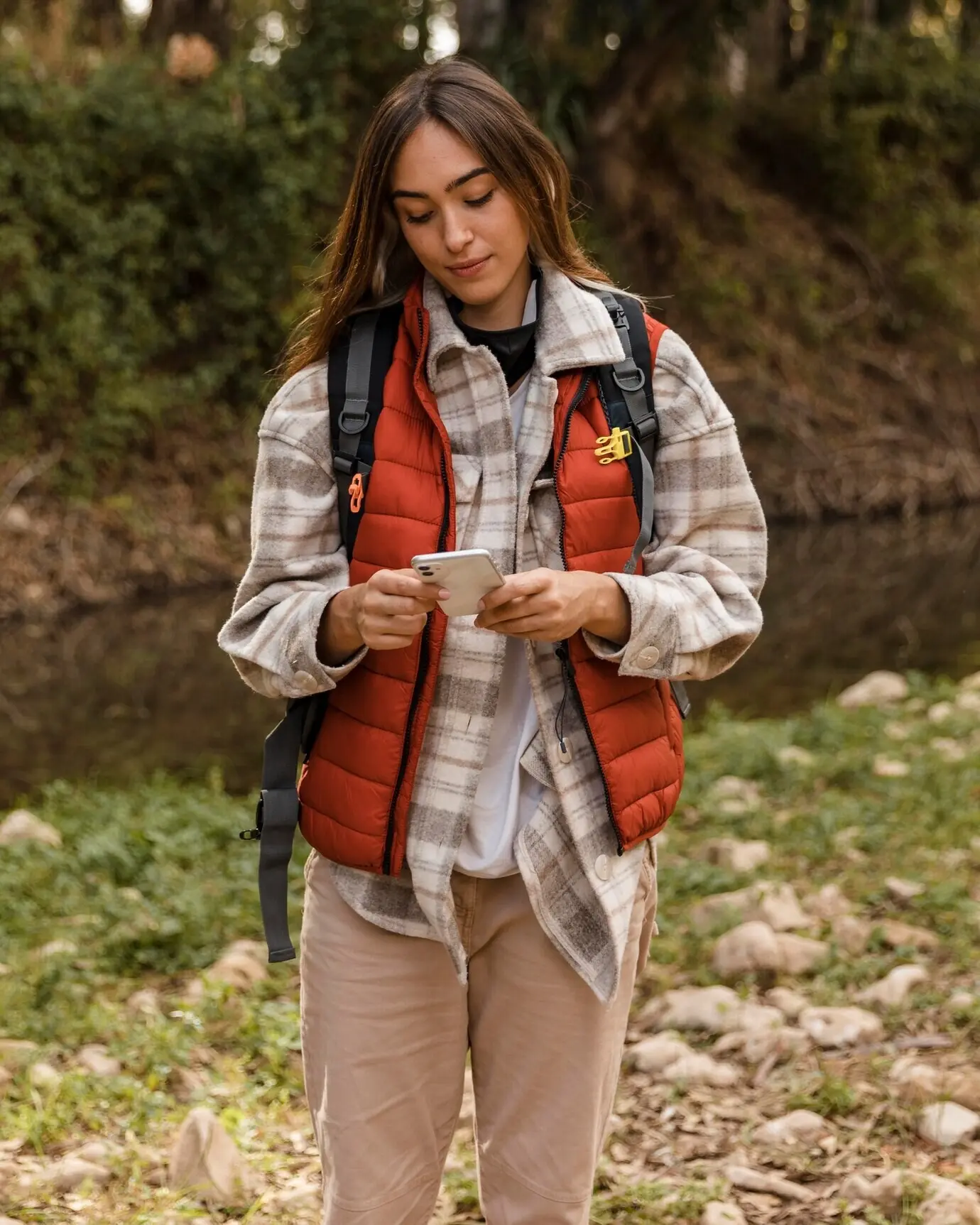
Photograph leaves from several angles, record short calls, add habitat details, and let apps assist rather than decide. City naturalists model careful uncertainty, showing how to tag “possible” identifications, ask questions kindly, and welcome corrections that make everyone’s data better and more reliable tomorrow.
Five minutes by a lamp can confirm bat flyways; counting bumblebees on knapweed patches tracks seasonal shifts; photographing pavement plants documents resilience after heatwaves. Small efforts, multiplied across cities, reveal which corridors need care, where lighting harms, and how greening plans truly perform.
Protect sensitive sites by blurring exact locations for nesting birds, rare orchids, or roost trees, and delay posts during vulnerable seasons. Leaders explain safeguarding for children, consent for photos, and how to celebrate discoveries while keeping species and people safe from harm.

Respect, Access, and Safety

Urban exploration means neighbours, traffic, bylaws, and hidden hazards. Experienced guides plan accessible routes, check tide tables where rivers breathe, avoid railway lines, and seek permissions for cemeteries or estates. You learn to read signage, carry emergency contacts, and balance bold curiosity with thoughtful boundaries.

Plan Your First Microadventure Week

Build a gentle seven-day rhythm: Monday lunch moss-scout in Leeds; Tuesday dusk bats along Birmingham canals; Wednesday hedgehog tracks in Sheffield gardens; Thursday gull behaviour by Brighton pier; Friday verge flowers in Cardiff; Saturday licensed foreshore archaeology in London; Sunday peregrine watch at Derby Cathedral.
Zonozulumexuzano
Privacy Overview

This website uses cookies so that we can provide you with the best user experience possible. Cookie information is stored in your browser and performs functions such as recognising you when you return to our website and helping our team to understand which sections of the website you find most interesting and useful.