
Small Journeys, Big Family Joy

Today we spotlight family-friendly microadventure clubs run by community guides nationwide, celebrating how neighborhood leaders transform nearby parks, rivers, rooftops, and hidden lanes into safe, playful, budget-conscious experiences for parents, kids, and grandparents. Discover practical tips, warm stories, and easy ways to join, support, or launch a local chapter that turns ordinary afternoons into shared discoveries, encourages curiosity, and helps families build resilient weekly routines filled with laughter, learning, and plenty of muddy, memory-making moments.

Why Local Guides Make Adventures Feel Close to Home

When outings are led by people who know the block, the bus routes, and the baker who opens early, families relax and have fun faster. Community guides understand seasonal rhythms, neighborhood traditions, and unmarked shortcuts, shaping experiences that feel approachable, culturally sensitive, and genuinely welcoming. Their familiarity reduces logistics stress, lowers costs, and adds comforting continuity, so even a fifteen-minute walk can become a meaningful ritual families want to repeat, share with friends, and pass down to younger siblings eager to tag along.

Safety, Inclusion, and Comfort for Every Family

Comfort begins with clear communication and thoughtful design. Guides share concise route previews, contingency plans, and accessible meeting points near transit, restrooms, and shade. Inclusion means sensory-friendly pauses, stroller-ready paths, multilingual signage, and sliding-scale options that keep participation open. With gentle group norms, respectful leadership, and shared awareness of weather and time, children feel brave enough to explore, and caregivers can relax, knowing the experience was built intentionally for wide-ranging needs, abilities, and energy levels throughout changing seasons.

Clear Plans and Gentle Pace

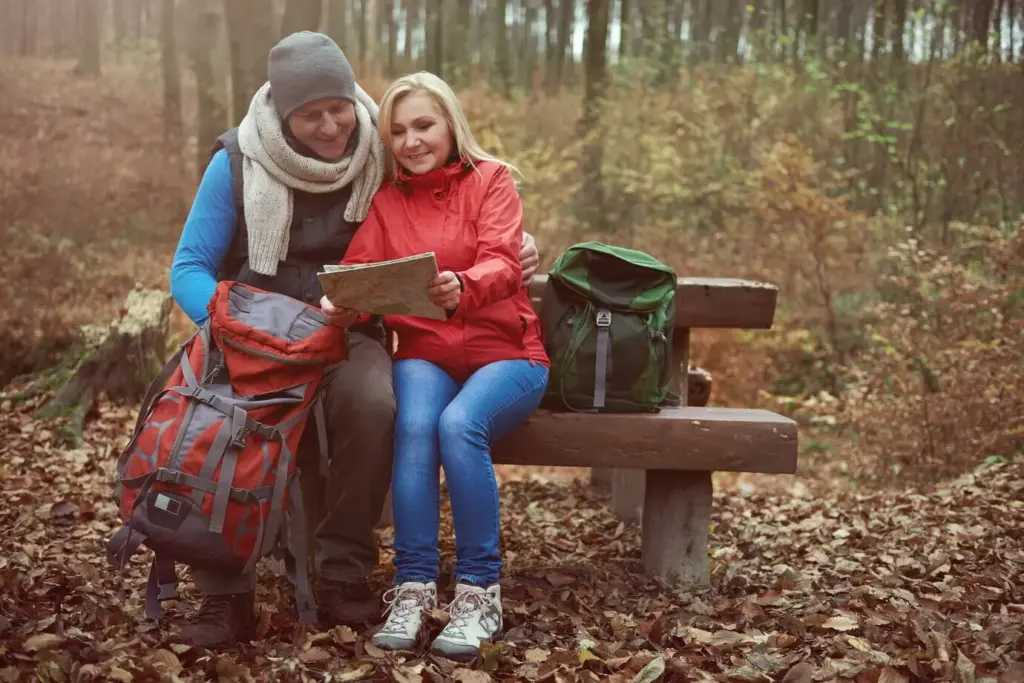
Families appreciate knowing start times, distances, restroom stops, and snack windows. Guides provide simple maps, explain what to do if separated, and monitor group spacing so little legs are never rushed. Flexible options let families opt for shorter loops or quiet corners. Clear signals for crossing streets, calling time-outs, and ending activities create a calm rhythm, minimizing stress while preserving spontaneity. The result is curiosity unhurried by pressure, with space for questions, discoveries, and confident, smiling returns.

Welcoming Different Needs

A great outing respects diverse sensory profiles, mobility requirements, and cultural expectations. Guides identify shade shelters for breaks, avoid overstimulating segments when possible, and include tactile activities that invite participation without forcing it. Captioned instruction sheets, picture-based cues, and calm regroup points help everyone stay oriented. By asking families for preferences beforehand and debriefing afterward, leaders adjust future adventures, gradually shaping traditions where every participant feels noticed, accommodated, and genuinely at ease amid playful, shared exploration.

Twilight Firefly Wander

Meet before dusk with jars you won’t actually use, because observation and gentle respect guide the night. Practice quiet walking, notice the warm pulse among grasses, and share stories about blinking patterns. Bring red-light headlamps to protect night vision, whisper a thank-you to the field, and end with a calm breath circle. Children learn patience while caregivers savor a peaceful, luminous pause after busy days filled with indoor noise and bright screens.

Creekside Curiosity Quest

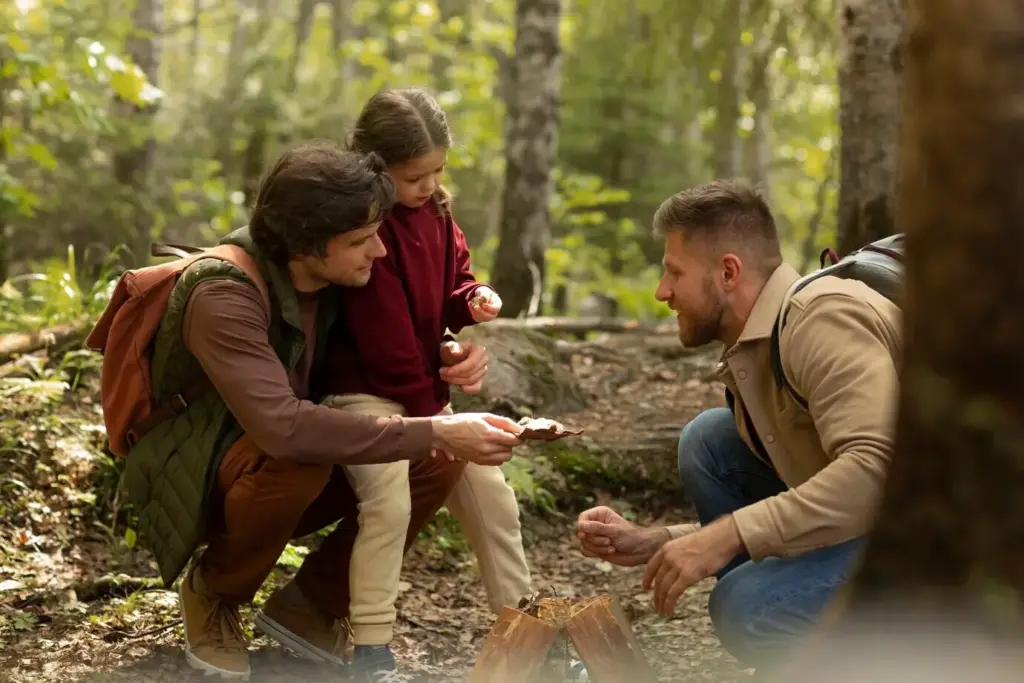
Follow the water’s chatter and turn stones like pages in a storybook. Count caddisfly cases, compare leaf boats, and sketch ripples in pocket notebooks. Use simple strainers for observation only, returning every tiny creature to its home. Celebrate wet socks as badges of courage. Wrap up with a litter sweep, documenting finds in a shared journal, then map where the creek flows next, connecting neighborhood puddles to larger rivers and the sea beyond.

Simple Gear, Smart Prep, Happy Kids

The Lightweight Family Kit

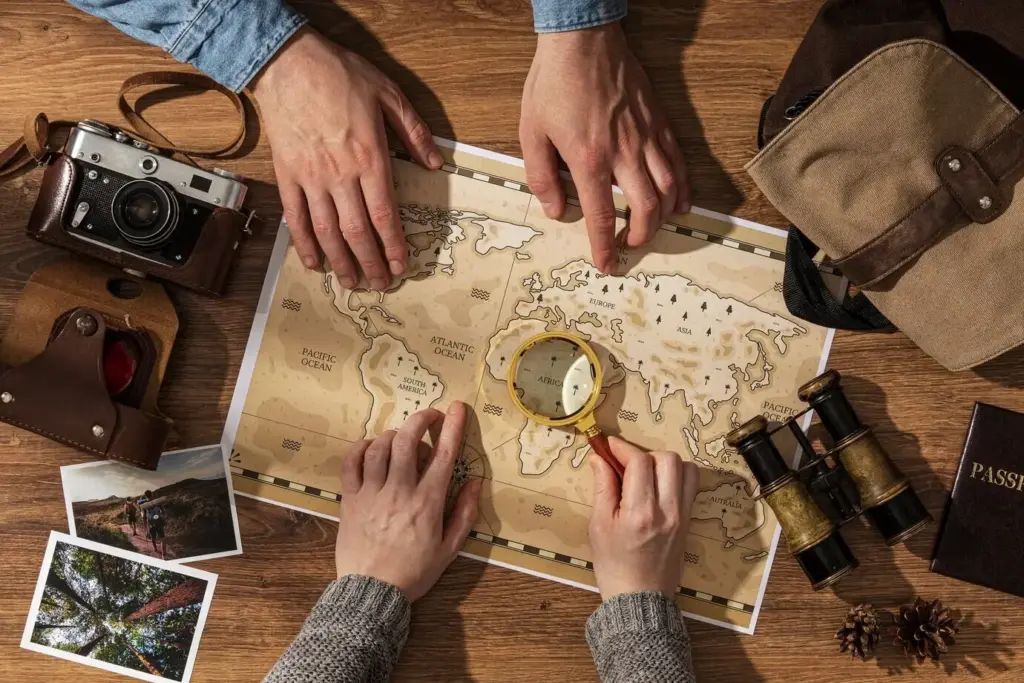
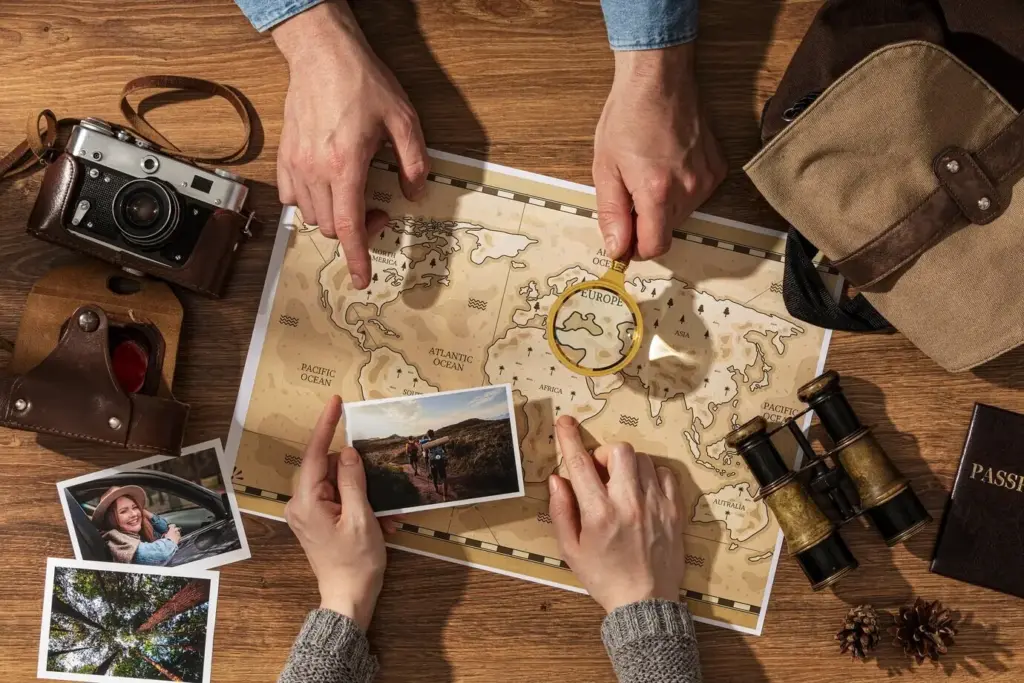
Aim for a breathable layer, compact rain shell, simple first aid, hand wipes, and a bright bandana per person. Add small binoculars to pass around, a shared magnifier, and a pencil stub with index cards. Keep snacks visible to prevent meltdowns, and stash a tiny trash bag for micro clean-ups. Borrow headlamps for evening outings, label everything clearly, and celebrate returning with fewer unused items every successful, confidence-boosting adventure.

Weather Wisdom Made Fun

Turn forecast checks into a playful pre-adventure ritual. Ask kids to guess wind direction by watching leaves, compare cloud shapes to familiar animals, and choose layers like superheroes choosing capes. Celebrate smart cancellations as brave decisions, not disappointments. Teach heat safety with shade games and hydration races, and cold safety with mitten scavenger hunts. The goal is curiosity plus caution, empowering families to choose joy without ignoring signals nature kindly offers every single day.

Snacks, Stories, and Small Traditions

A shared thermos can unite a group faster than any icebreaker. Create a ritual: one poem, one snack, one gratitude before moving on. Let kids stamp adventure passports or trade tiny nature sketches. Encourage families to share favorite recipes that travel well. These small traditions turn minutes into memories, encouraging return visits and building collective identity that keeps everyone coming back, especially when schedules strain and energy dips midweek.

Stories That Stitch Communities Together

Across the country, families write gentle epics in pocket parks, alleys, and overlook steps. A parent remembers returning confidence after burnout; a child recounts the day a ladybug chose their sleeve; a guide smiles at the quiet kid who suddenly led the route. These stories matter because they normalize nearby nature, showing courage doesn’t need mountains—only neighbors, patience, and a little time between errands to notice how alive the ordinary truly is.

A Grandparent’s First Night Walk

Evelyn brought her cane and worried about the dark. The guide offered an arm and a gentle pace. Streetlights painted soft halos while grandkids whispered constellations they invented on the spot. At the corner, someone pointed out a resting moth. Evelyn laughed, saying she felt twelve again. She wrote later that calm footsteps, warm company, and a slow route stitched together memories she thought age had quietly hidden away.

From Shy to Explorer

Malik rarely spoke during the first three outings, gripping his father’s sleeve. The guide gave him the job of bell ringer for snack time, and everything shifted. He started counting pigeons, then led a safe street crossing with rehearsed signals. By month’s end, he taught newcomers the group call-back. His father wrote that short, predictable adventures created a brave space school hadn’t yet uncovered, revealing leadership waiting behind gentle encouragement.
A City Block Becomes a Wild Classroom

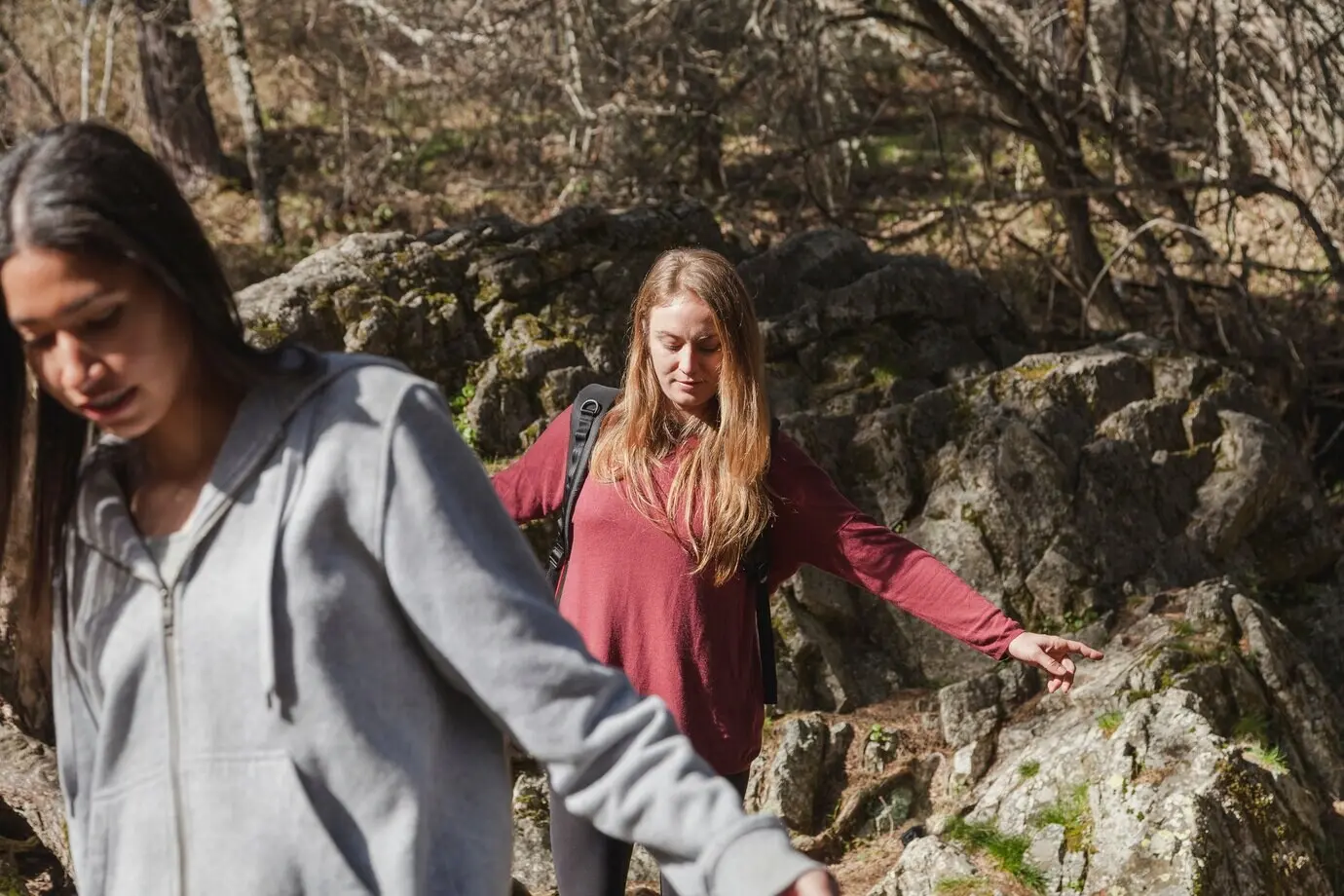
On a measly quarter-mile loop, families cataloged ten plant species, three insect types, and two mystery sounds. A shopkeeper shared sidewalk chalk for sketching leaf outlines. The guide framed a challenge: find five textures before the next corner. Children compared brick warmth to bark ridges, while caregivers exchanged work tips and recipes. That tiny block now holds a map of memories families revisit whenever errands feel heavy and weekday hours tighten.
Join, Volunteer, or Start a Chapter

{{SECTION_SUBTITLE}}

Find a Club Near You

Search the interactive map by neighborhood, transit line, stroller-friendliness, or time of day. Each club page lists meeting spots, group norms, accessibility notes, and upcoming microadventures with clear durations. Parents can message guides, read quick recaps, and RSVP without fuss. After attending, add reflections to the community journal, helping newcomers sense the vibe. The right fit often appears just around the corner, where friendly faces already wave from familiar sidewalks.

Become a Community Guide

Start with a short orientation covering inclusive language, route scouting, and incident prevention. Shadow two outings, then co-lead your first loop while a mentor offers feedback. Training includes accessible design, trauma-informed communication, and weather decision frameworks. You’ll learn to engage families with simple games, manage volunteer roles, and celebrate small wins. Guides carry spare kindness and a compact kit, modeling calm curiosity that turns routine pathways into places where families confidently explore together.
Zonozulumexuzano
Privacy Overview

This website uses cookies so that we can provide you with the best user experience possible. Cookie information is stored in your browser and performs functions such as recognising you when you return to our website and helping our team to understand which sections of the website you find most interesting and useful.