A Grandparent’s First Night Walk
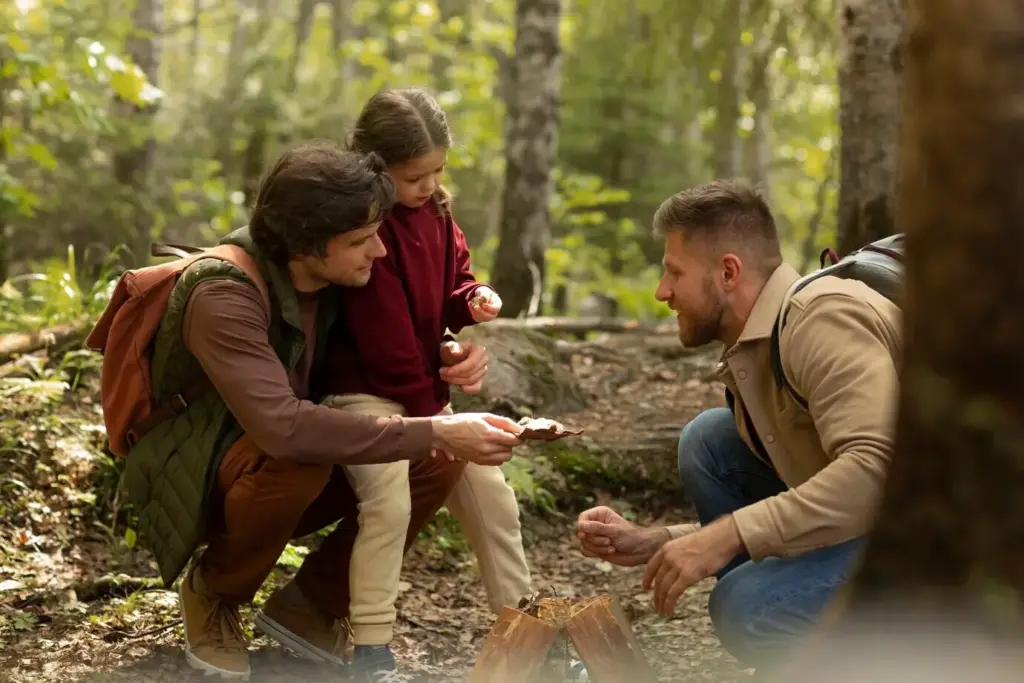
Evelyn brought her cane and worried about the dark. The guide offered an arm and a gentle pace. Streetlights painted soft halos while grandkids whispered constellations they invented on the spot. At the corner, someone pointed out a resting moth. Evelyn laughed, saying she felt twelve again. She wrote later that calm footsteps, warm company, and a slow route stitched together memories she thought age had quietly hidden away.

From Shy to Explorer
Malik rarely spoke during the first three outings, gripping his father’s sleeve. The guide gave him the job of bell ringer for snack time, and everything shifted. He started counting pigeons, then led a safe street crossing with rehearsed signals. By month’s end, he taught newcomers the group call-back. His father wrote that short, predictable adventures created a brave space school hadn’t yet uncovered, revealing leadership waiting behind gentle encouragement.
A City Block Becomes a Wild Classroom
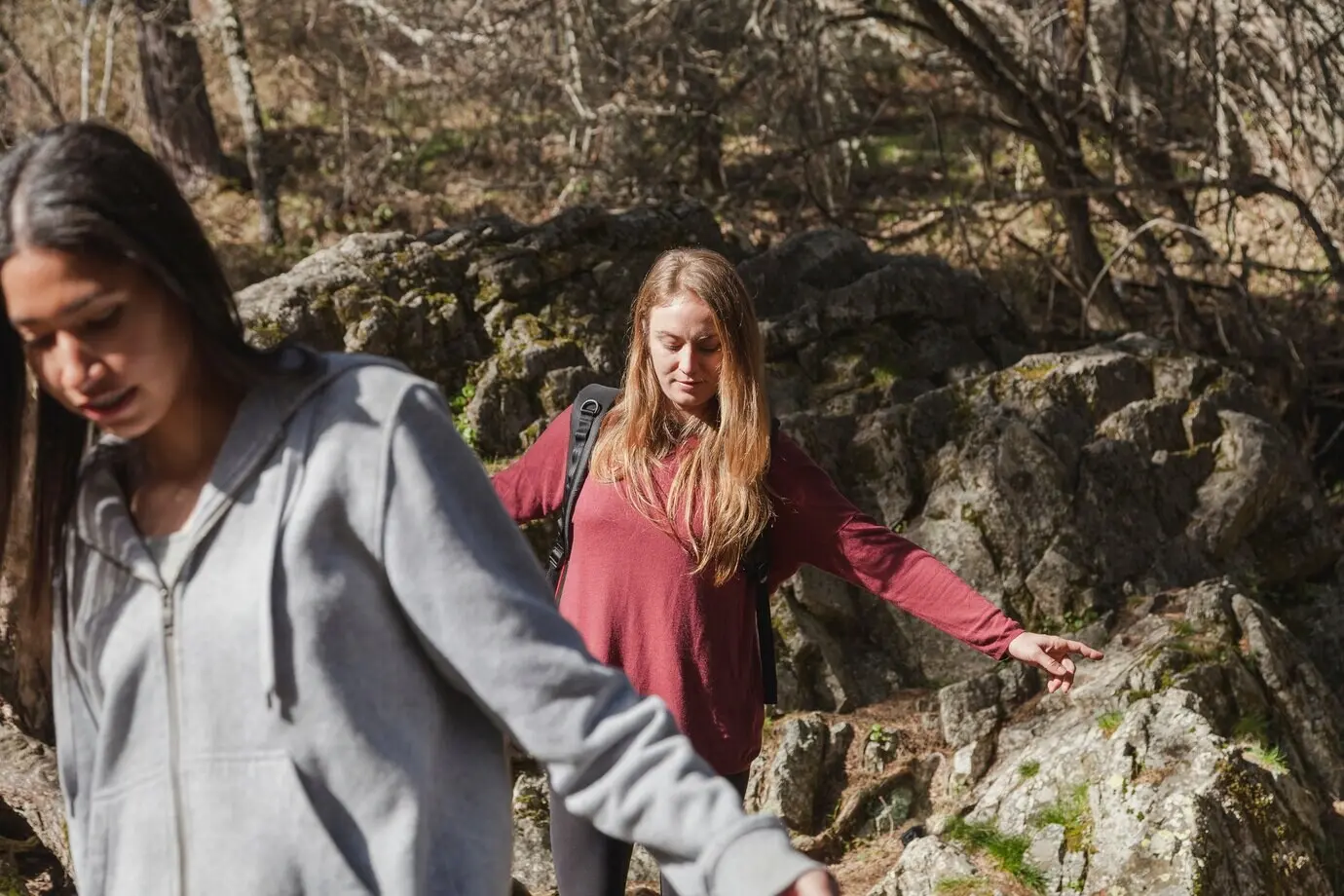
On a measly quarter-mile loop, families cataloged ten plant species, three insect types, and two mystery sounds. A shopkeeper shared sidewalk chalk for sketching leaf outlines. The guide framed a challenge: find five textures before the next corner. Children compared brick warmth to bark ridges, while caregivers exchanged work tips and recipes. That tiny block now holds a map of memories families revisit whenever errands feel heavy and weekday hours tighten.